
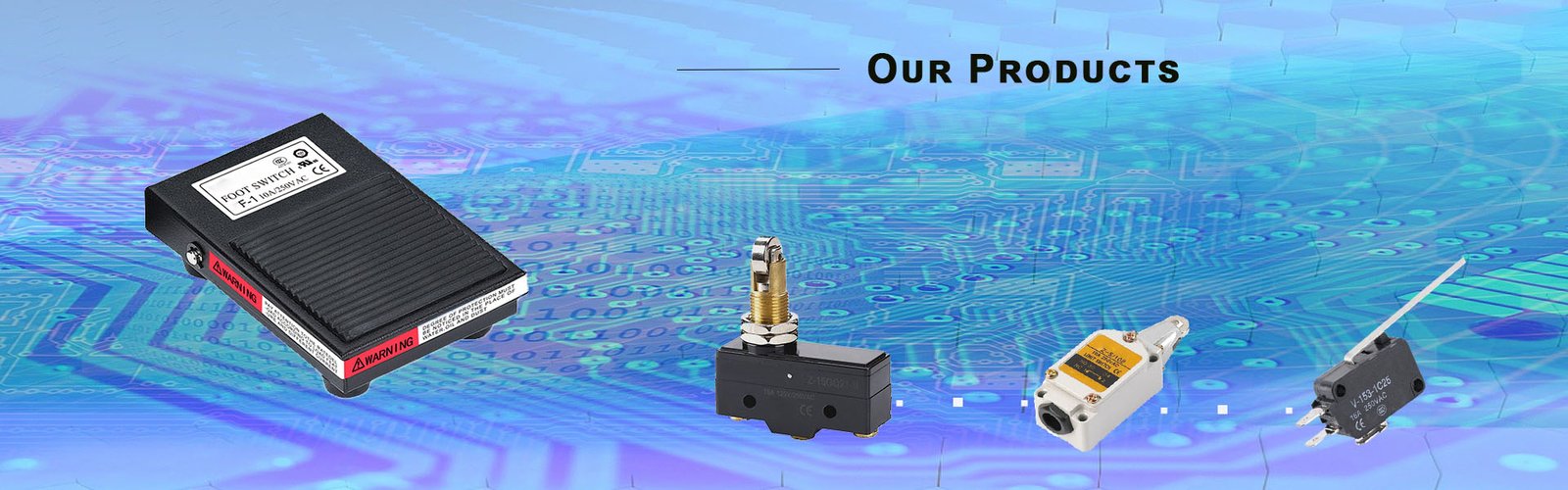
Medical Foot Switch | Safer Hands-Free Operation.
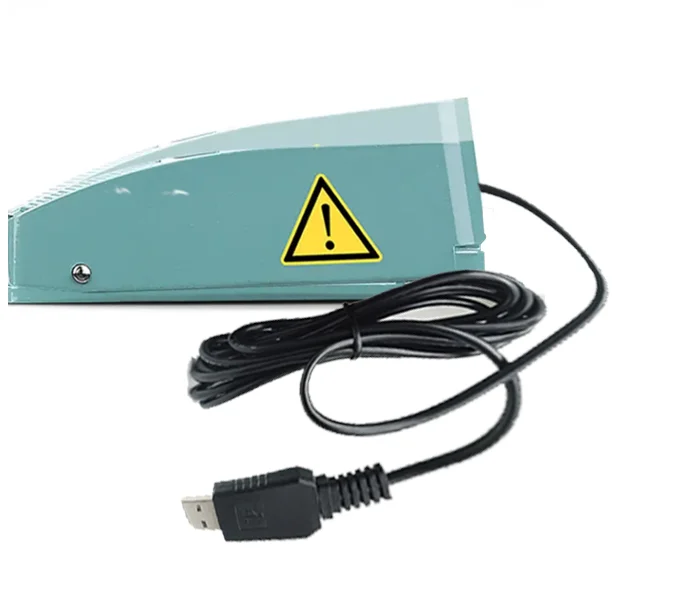
Discover how medical equipment foot switches enable hands-free operation, improving surgical precision and infection control. Explore reliable, hygienic foot control solutions for clinical settings.
For more about our products, please click here.
Why Medical Equipment Relies on Foot Switches
Step into any operating room or dental clinic. You will likely spot a foot switch on the floor. This small device is essential for the medical team. A medical equipment foot switch lets doctors control devices using only their feet. Both hands stay free for instruments. Surgeons can manage electrosurgical units, table lifts, or suction pumps without looking away. Hands-free foot control keeps the focus on the patient. It removes the need to search for buttons during critical moments.
Enhancing Surgical Precision and Workflow
During delicate procedures, interruptions cost time and focus. The medical foot switch solves this problem. It moves control to the feet. Surgeons can switch modes or start functions without moving their hands. Their field of view stays steady. This saves time and reduces patient anesthesia exposure. In dentistry, foot-operated medical switches are just as useful. Dentists control handpieces, suction, and irrigation at the same time. This real multi-tasking boosts treatment speed and patient comfort.
A Natural Barrier for Hygiene and Infection Control
Infection control is a top priority in hospitals. The medical foot switch plays a key role here. Touching control panels with gloved hands always carries risk. Clinical foot control devices remove that risk entirely. Feet never touch sterile areas. They never contact dirty surfaces. Modern foot switch medical equipment uses smooth, sealed housings. Many models carry IP68 ratings. They handle strong disinfectants and frequent cleaning. This keeps pathogens from lingering on the equipment.
Built to Last in Tough Environments
Medical settings are hard on equipment. Daily stepping, constant cleaning, and accidental bumps take a toll. Surgical foot switches must resist all of this. Good models use reinforced plastic or stainless steel. Internal contacts use precious metals for reliable signals. Many hands-free foot controllers include non-slip bases. Low-profile designs reduce fatigue during long surgeries. Cable entries add strain relief. This prevents wire breakage from repeated pulling. These features ensure consistent performance through hundreds of daily uses.
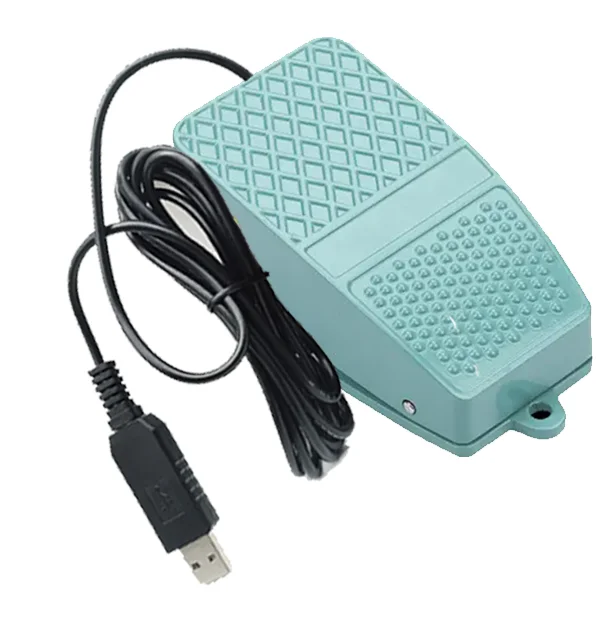
Choosing the Right Switch for Your Department
Many options exist. Finding the right medical equipment foot switch means checking a few things first. Look at the IP rating. Operating rooms and ICUs need IP68 waterproof models. Regular clinics may only need IPX1. Check the actuation force and travel. Light pressure works well for fine tasks. Heavier feedback helps avoid accidental presses. Confirm electrical compatibility. Voltage, current, and connector types all matter. Finally, consider the pedal style. Single pedals work for simple on/off. Dual or multi-pedal designs handle more complex controls. Matching these factors to your needs helps you choose a medical hands-free switch that improves safety and efficiency.
Web: www.shuyitop.com
Tel/Fax: 0086-577-62840011
Wechat/WhatsApp: 008613355775769
Zhejiang SHUYI Electric Co., LTD, Focus On Switches With 30 Years.
