
AC Drive vs Solar Pump Inverter – What’s Best?
Compare AC drive vs solar pump inverter for your application. Learn how each technology works and which suits your pumping needs best.
For more about our products, please click here.
Introduction
When selecting a variable speed drive for pumping applications, two options often come up. One is the standard AC drive, also known as a variable speed drive (VSD). The other is a solar pump inverter, designed specifically for photovoltaic-powered systems. While both control motor speed, they serve different purposes. Understanding the differences helps you make the right choice for your specific needs.
What Makes a Standard AC Drive (VSD)
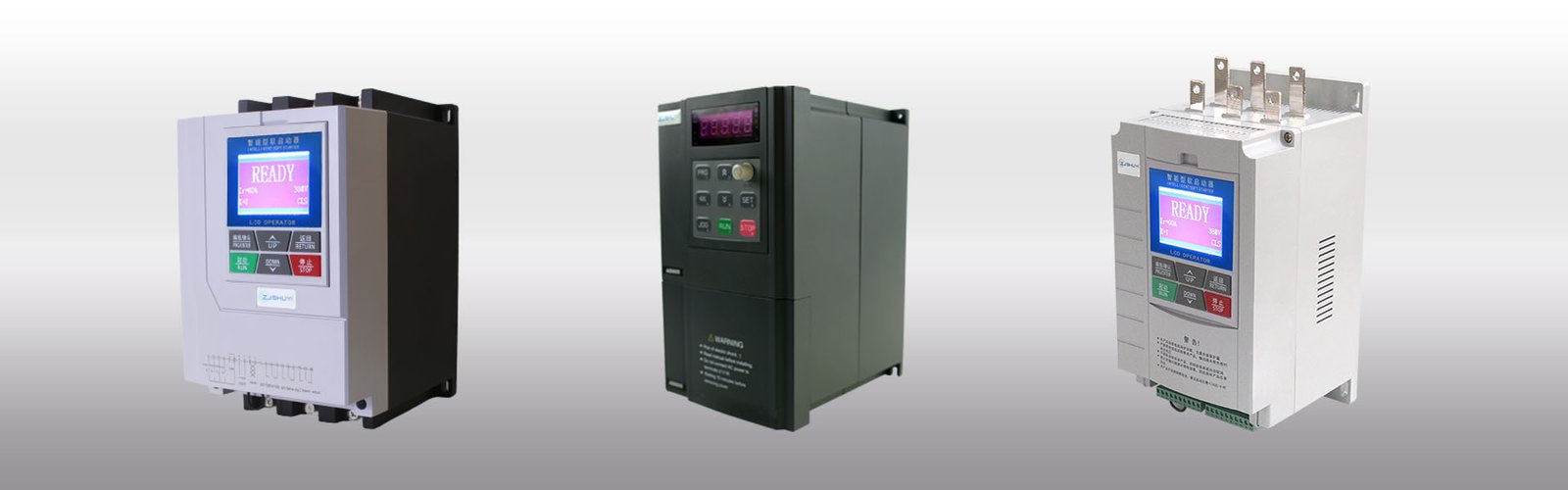
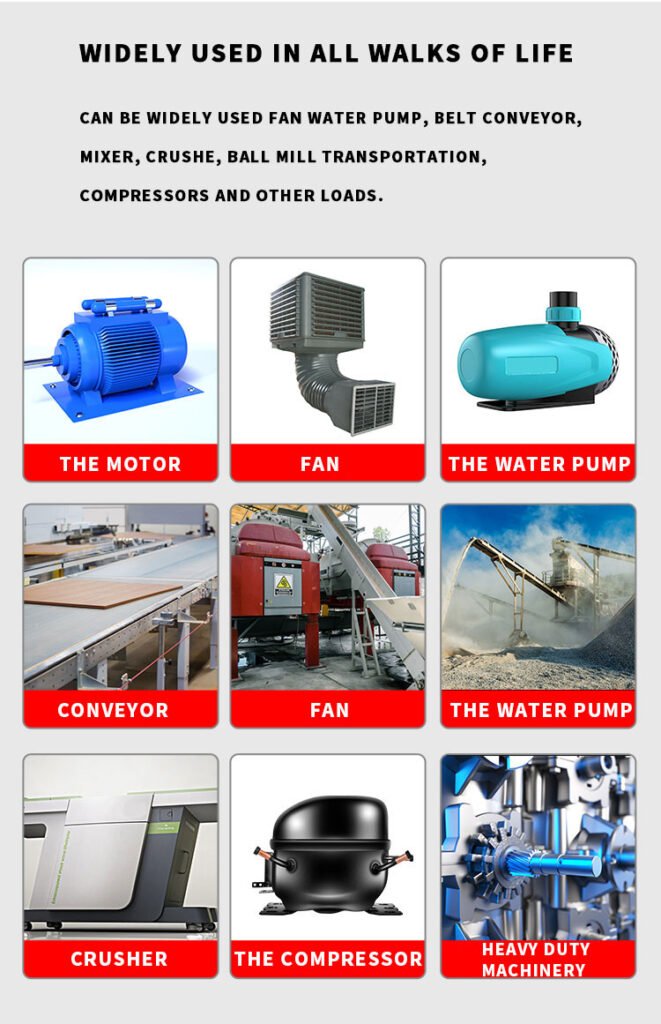
A standard AC drive converts fixed-frequency AC power into adjustable frequency output. This allows the motor to run at varying speeds based on demand. The main advantage of a standard AC drive is its flexibility. You can use it in countless applications, from conveyor belts to fans, compressors, and pumps. It works with grid power and offers precise speed control, torque adjustment, and energy savings. In comparison, the standard VSD wins on versatility. It integrates easily with existing control systems and provides reliable performance across many industries.
How Solar Pump Inverters Differ
A solar pump inverter takes DC power from solar panels and converts it into AC power for the pump motor. Unlike a standard AC drive, it includes MPPT (Maximum Power Point Tracking) technology. This feature optimizes the solar array output, ensuring the pump receives maximum available power throughout the day. Solar pump inverters often include water level monitoring and dry-run protection. These features protect the pump from damage. For off-grid locations, the solar inverter becomes the obvious choice.
Energy Source and Application Suitability
The biggest difference lies in the energy source. Standard AC drives rely on grid electricity or generator power. They work best where utility power is stable and readily available. Solar pump inverters run on solar energy, making them ideal for remote areas without grid access. They also reduce operating costs since sunlight is free. However, they require batteries or water storage for cloudy days and nighttime operation. So the decision depends heavily on your location and power availability.
Cost Considerations and Return on Investment
When comparing costs, consider both upfront and long-term expenses. Standard AC drives typically cost less to purchase and install. However, they incur ongoing electricity costs. Solar pump inverters have higher initial costs due to solar panels and battery systems. But they offer significant savings on energy bills over time. For agricultural irrigation in sunny regions, the solar pump inverter pays for itself quickly. For industrial plants with stable grid power, the standard AC drive may offer better overall value.
Choosing the Right Solution for Your Needs
To choose the right solution, evaluate your specific situation. Ask yourself these questions:
- Do you have reliable grid power?
- What is your daily pumping schedule?
- Is the site remote or off-grid?
- What is your budget for energy costs?
- Do you need backup power for cloudy days?
Answering these questions clarifies which option fits your application.
Conclusion
Neither option is universally better. The right choice depends on your power source, location, and budget. By understanding the differences, you can select the drive that maximizes performance and minimizes costs for your pumping operation.
Web: www.shuyitop.com
Tel/Fax: 0086-577-62840011
Wechat/WhatsApp: 008613355775769
Zhejiang SHUYI Electric Co., LTD, Focus On Switches With 30 Years.
